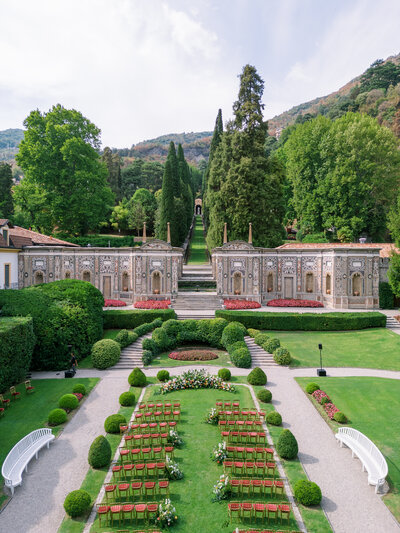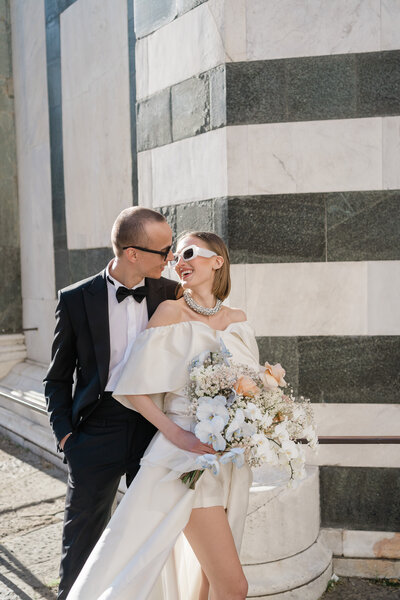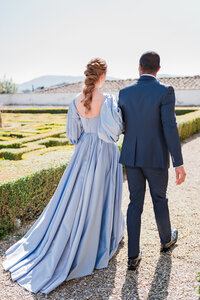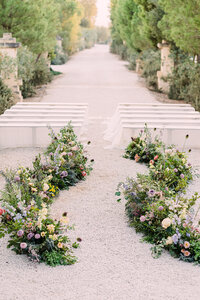


Planning a destination wedding in Tuscany is an exciting process, but it can also feel overwhelming at the beginning.
Different country, different language, different logistics.
At the same time, Tuscany offers one of the most rewarding wedding experiences in the world. When planned well, it becomes more than a single day. It becomes a shared experience with your closest people, set in one of the most iconic landscapes in Italy.
This guide walks you through the process step by step, helping you understand how destination weddings in Tuscany really come together.
Step 1: Define the Kind of Experience You Want
Before looking at venues or setting a date, it’s important to understand what kind of wedding you want to create.
Tuscany offers very different experiences depending on the setting.
Do you imagine a refined celebration near Florence, surrounded by art and historic villas?
Or a more immersive countryside wedding in areas like Val d’Orcia, with rolling hills and multi-day celebrations?
This first decision will influence everything that follows: location, venue, guest experience, and overall atmosphere.
Step 2: Set a Realistic Budget
Budget plays a key role in destination weddings, especially in Tuscany where options range from intimate gatherings to large-scale luxury events.
Your budget will determine:
- the type of venue
- the number of guests
- the level of production and design
- the overall experience you can create
If you’re planning a high-end celebration, you can explore a more detailed breakdown in my guide to luxury wedding costs in Tuscany.
Having a clear budget early on makes every decision more focused and avoids unnecessary stress later.
Step 3: Choose the Right Venue and the right wedding planner
Choosing the right venue is one of the most important decisions in the entire planning process.
In Tuscany, venues are not just locations. They shape the rhythm of the wedding, the guest experience, and the overall atmosphere of the celebration.
Some properties are ideal for one-day events, while others are designed for full wedding weekends where guests stay together and the experience unfolds over several days.
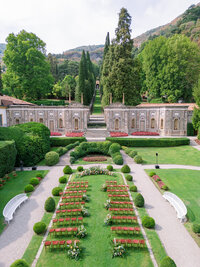
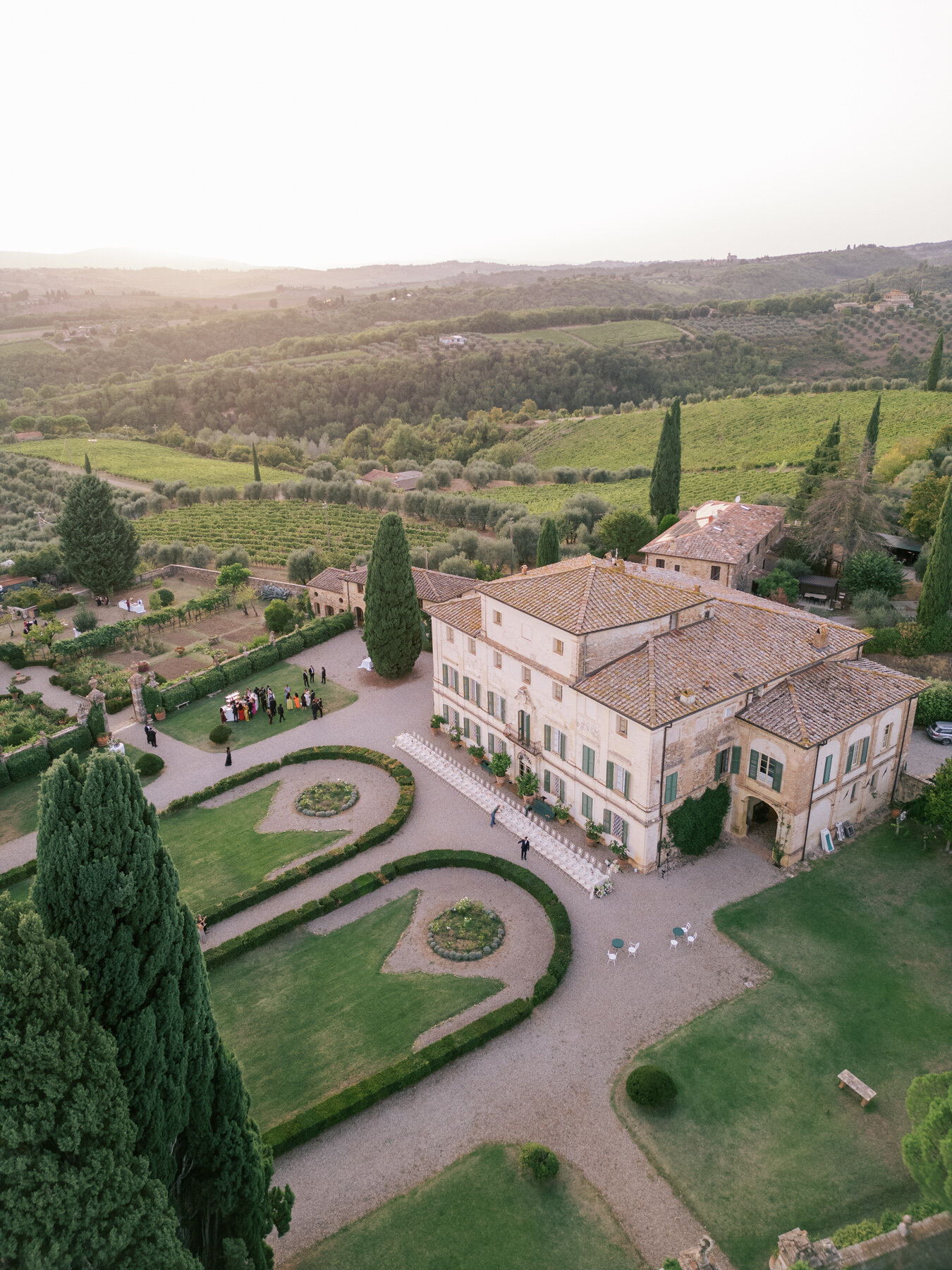
Estates such as La Foce offer a fully immersive setting, where ceremonies, dinners, and accommodations can all happen in one place.
Why the wedding planner matters just as much
Alongside the venue, choosing the right wedding planner is equally important.
Planning a destination wedding in Tuscany involves much more than aesthetics. It requires managing logistics, timelines, local regulations, and coordination between multiple vendors, often from different countries and time zones.
An experienced wedding planner helps you:
- navigate venue logistics
- coordinate suppliers
- manage timing and flow of the day
- handle unexpected situations
But beyond logistics, the right planner also helps shape the overall experience, ensuring that everything feels cohesive and intentional.
Choosing the right combination
The venue and the planner often work closely together, and the right combination can make the entire process smoother and more enjoyable.
When both are aligned, the result is not just a well-organized event, but a wedding that feels natural, relaxed, and thoughtfully designed.
When choosing your venue, consider:
- guest capacity
- accommodation options
- accessibility
- level of privacy
- overall atmosphere
And when choosing your planner, look for someone who understands not only logistics, but also the kind of experience you want to create.
If you’re exploring venues, you can also read my guide to the best wedding venues in Tuscany, where I share some of the most distinctive locations in the region.
Step 4: Decide on the Type of Ceremony
One of the most important practical decisions is choosing between a civil or symbolic ceremony.
Civil ceremony
Legally recognized weddings in Italy are usually performed in town halls in cities such as Siena or Florence.
They require documentation and advance preparation, but they allow you to be legally married in Italy.
Symbolic ceremony
Many international couples choose to legally marry in their home country and have a symbolic ceremony in Tuscany.
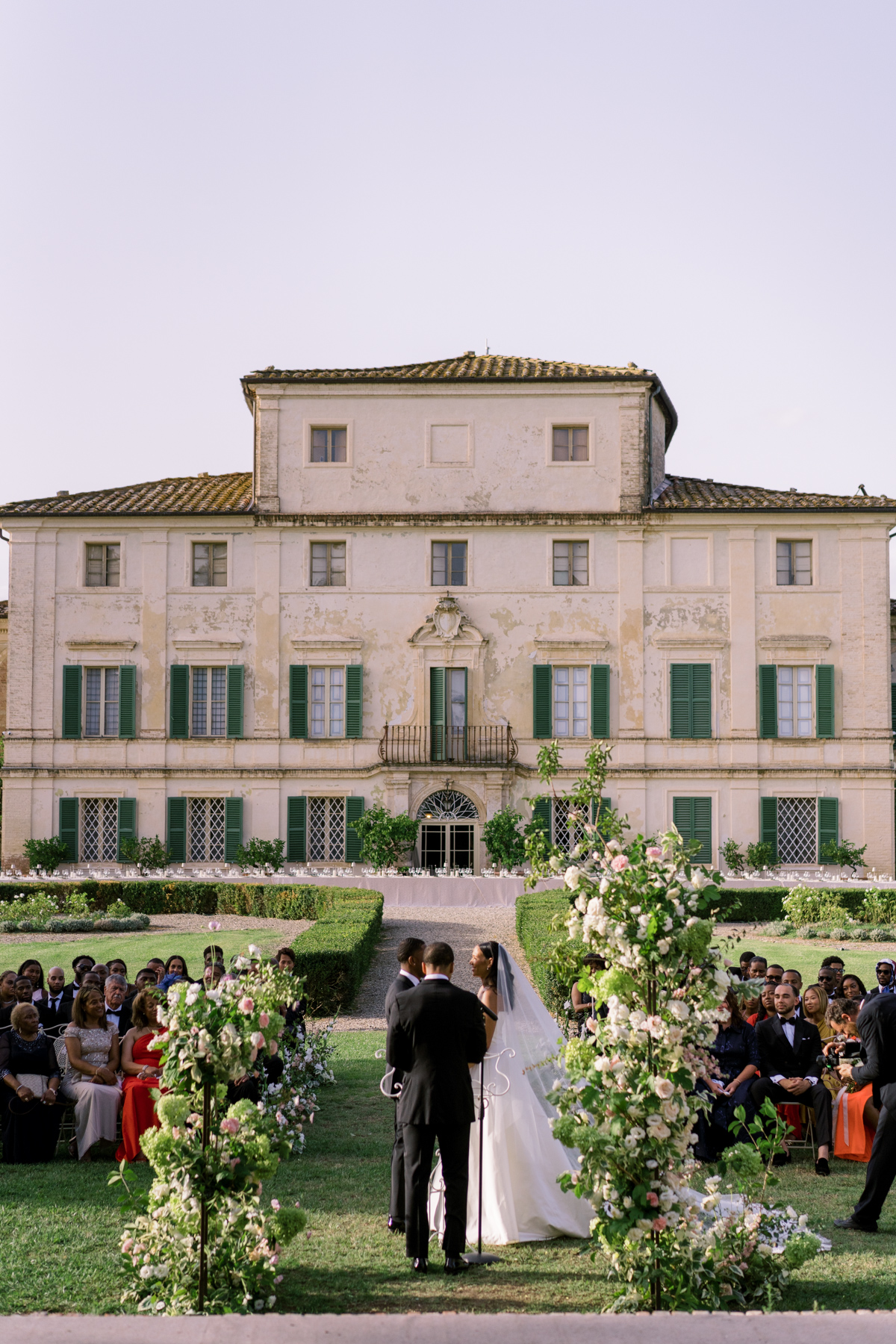
This option offers much more flexibility, allowing ceremonies to take place directly at the venue, often outdoors with views of the landscape.
Step 5: Build the Right Team
Planning a wedding in another country requires a reliable team of local professionals.
A wedding planner is often essential for coordinating logistics, managing communication, and ensuring everything runs smoothly.
Other key vendors include:
- photographer
- videographer
- caterer
- florist
- musicians or DJ
Working with professionals who have experience in Tuscany can make a significant difference, especially when it comes to understanding venues and timing.
Step 6: Plan the Guest Experience
One of the most unique aspects of a destination wedding in Tuscany is the experience it creates for guests.
Rather than attending a single-day event, guests often spend several days together.
Couples frequently plan:
- a welcome dinner
- the wedding day
- a farewell brunch
This creates a relaxed and immersive atmosphere where guests can enjoy not only the wedding, but also the region itself.
Step 7: Think About Timing and Season
The time of year you choose will influence everything from the landscape to the flow of the wedding day.
Spring offers fresh greenery and mild temperatures.
Summer brings long days and late sunsets, but also higher temperatures.
Autumn provides warm tones and softer light, often considered one of the most beautiful times of year in Tuscany.
If you want a deeper understanding of how seasons affect weddings here, you can read my guide to the best time of year to get married in Tuscany.
Step 8: Plan Logistics Early
Destination weddings involve more logistics than local weddings.
Some of the key elements to organize early include:
- guest transportation
- accommodation arrangements
- travel schedules
- timing of events across multiple days
Many venues are located in the countryside, so transportation planning is especially important to ensure guests can move easily between locations.
Step 9: Design the Flow of the Wedding Day
In Tuscany, weddings often follow a different rhythm compared to traditional timelines.
Instead of a fast-paced schedule, the day tends to unfold more slowly.
A typical flow might include:
- afternoon ceremony
- sunset aperitivo
- outdoor dinner
- evening celebration
This structure allows the day to feel relaxed and natural, giving space for both meaningful moments and spontaneous interactions.
Step 10: Embrace the Atmosphere of Tuscany
One of the biggest mistakes couples can make is trying to recreate a wedding style from home in a completely different environment.
Tuscany already offers everything you need: landscape, atmosphere, light, and character.
The most memorable weddings are often the ones that embrace this naturally, rather than overcomplicating it.
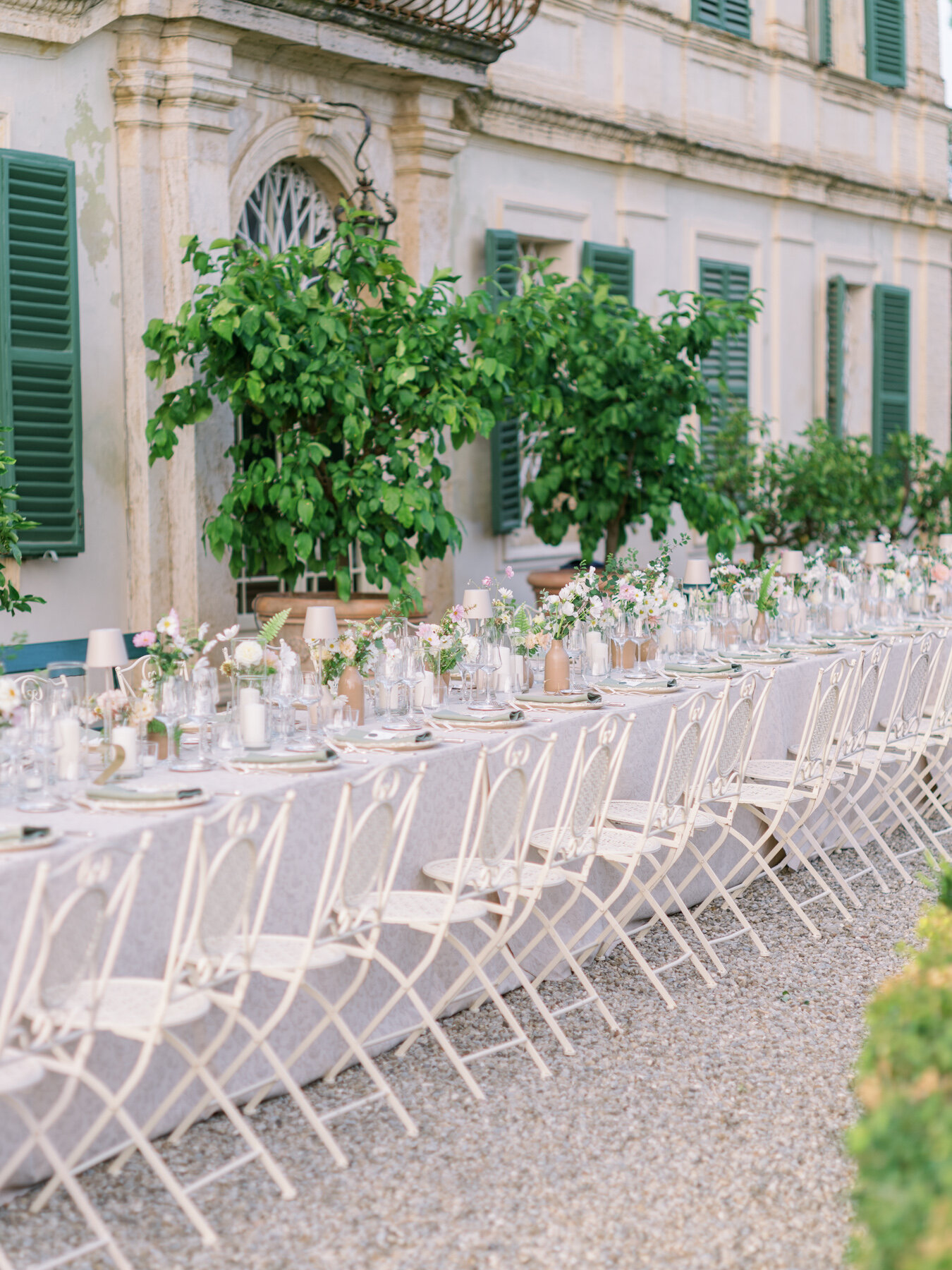
Long tables under the open sky, local food and wine, and a relaxed rhythm often create a more authentic and meaningful experience.
A Final Thought
Planning a destination wedding in Tuscany is not just about organizing an event.
It’s about creating an experience that brings people together in a place that feels unique and memorable.
With the right approach, the process becomes part of the story itself.
A Photographer’s Perspective
Having photographed weddings across Tuscany for many years, one thing becomes clear.
The most successful weddings are not necessarily the most elaborate ones.
They are the ones where everything feels aligned: the place, the timing, the atmosphere, and the people.
When couples trust the environment and allow the day to unfold naturally, the result is something that feels genuine, emotional, and timeless.
If you’re planning a destination wedding in Tuscany and looking for photography that captures both the atmosphere and the real moments of the day, I’d love to hear about your plans.